
There's a unique electricity in the air at a live soccer match—the collective roar, the palpable tension, the shared euphoria or despair. But let's be real, we can't always be there. Life gets in the way, whether it's geography, finances, or just a busy schedule. I remember a quote from a basketball player after a tough finals loss that stuck with me: "Sobrang proud na nakarating kami ng finals, decider na Game Three. It's a surreal feeling for me pati sa buong team," he said, owning up to this bridesmaid finish. That raw, post-game emotion, that immediate ownership of a crushing result—it's a feeling every sports fan understands, and it highlights exactly what we crave when we're separated from the stadium: authentic, real-time connection. So, how do we, as fans, bridge that gap when we're watching from our living rooms, offices, or even on the go? Over the years, I've cobbled together a toolkit that goes far beyond just turning on the TV.
First and foremost, the digital viewing experience has evolved light-years beyond a simple broadcast. I'm a firm advocate for seeking out broadcasts with multiple audio options. Many services now offer a "stadium sound" feed, which strips away the commentary and pumps in the raw ambiance from the ground. It's the next best thing to being there. For major derbies or finals, I'll often sync this with a local radio commentary from my team's city streamed online. The delay can be a nightmare to manage—sometimes up to 12 seconds—but when you get it right, the passionate, biased local commentary over the crowd noise is immersive magic. Secondly, don't underestimate the power of second-screen engagement. I used to think live-tweeting during a game was distracting, but I've completely flipped on that. Following a curated list of journalists, analysts, and fellow fans on platforms like Twitter (or X) or dedicated fan forum live threads creates a virtual terraces. The instant analysis, the memes after a missed sitter, the collective groans—it replicates the communal aspect. Stat-tracking apps are my other go-to. Seeing a player's pass completion rate drop to 73% in real-time, or noticing their average position has shifted, adds a layer of tactical depth I'd miss otherwise. I recall during last season's Champions League quarter-final, the app notified me my team had attempted over 22 crosses with only a 15% success rate by the 60th minute, which perfectly explained our growing frustration.
However, technology is just the conduit; the real connection is forged through community. I've made some of my closest friends through online fan groups. We schedule weekly video calls for big matches, a practice that started during the pandemic and never stopped. It's chaotic, with everyone shouting at their screens from different time zones, but it's our ritual. We even have a shared playlist of chants and songs we'll play during key moments. Furthermore, I actively participate in fantasy leagues and prediction games. It sounds trivial, but having a vested interest in how a specific full-back performs on the other side of the continent because he's in your fantasy team makes you watch games you'd otherwise ignore, broadening your understanding of the league. For a deeper dive, I subscribe to two analytical newsletters—one data-driven, one more tactical—that arrive in my inbox every Monday. Spending 20 minutes with them over coffee turns the weekend's drama into a learning experience, helping me appreciate the "why" behind the result.
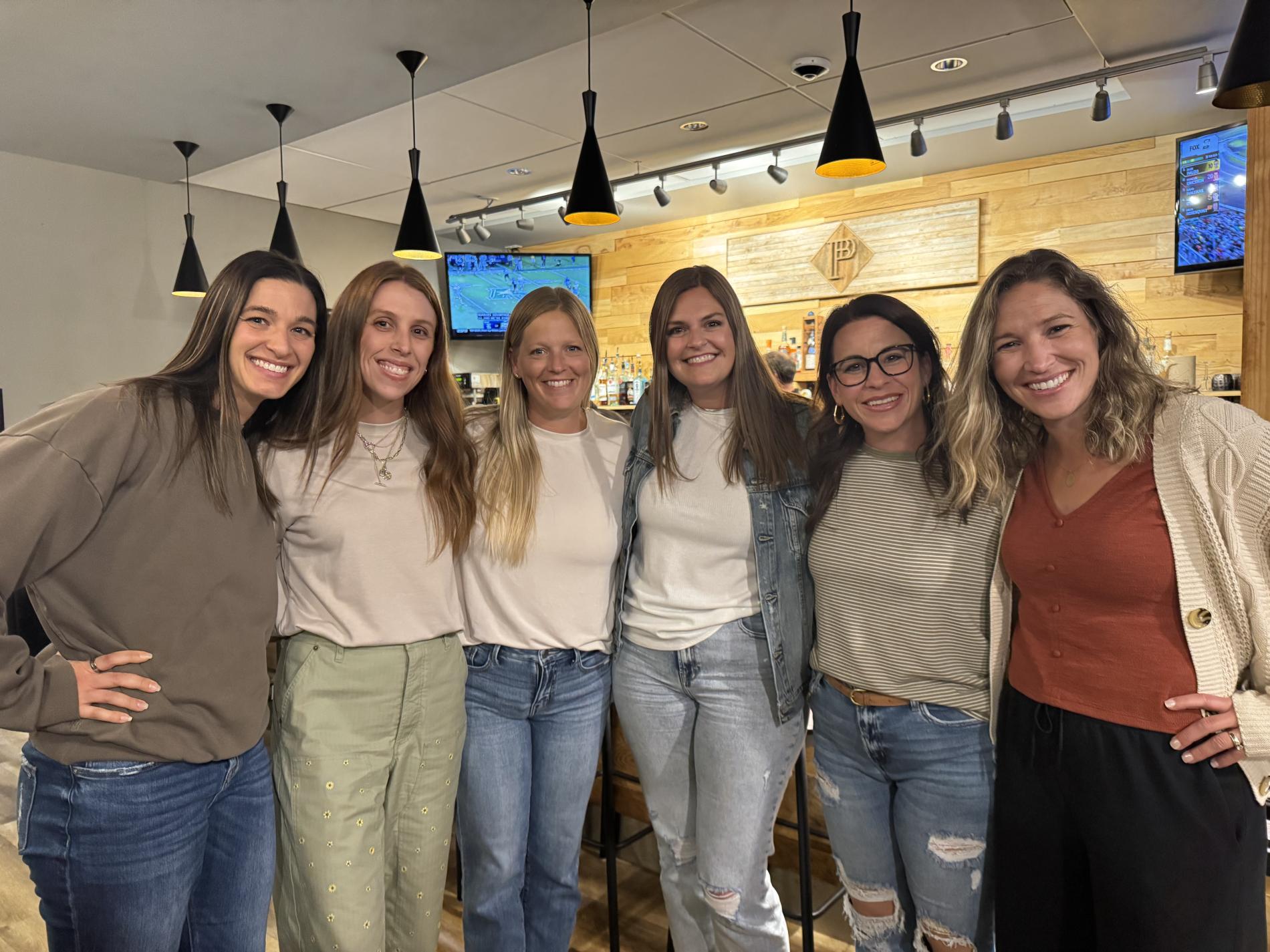
Of course, the connection isn't solely digital. I make a point to visit local pubs that show matches for the really big games. The atmosphere in a packed bar, even if you're surrounded by strangers initially, taps into that primal, shared experience. The collective intake of breath before a penalty, the synchronized celebration—it's a powerful reminder that fandom is a physical, social phenomenon. On a personal note, I've also found that engaging with the game's culture away from the 90 minutes sustains me. That means listening to soccer podcasts during my commute, diving into long-form historical articles about classic teams, or even playing football manager games, which, love them or hate them, give you a brutal appreciation for the sport's complexities. I'll admit my bias here: I think the tactical side of the game is just as beautiful as a last-minute winner, so I lean into content that feeds that.
In the end, missing a live game isn't a death sentence for your fandom; it's an invitation to engage with the sport in different, often richer, dimensions. It's about weaving the game into the fabric of your daily life through technology, community, and continuous learning. We might miss the smell of the grass and the vibration of the stand, but we can capture the heart of the experience. Like that athlete reflecting on his "surreal" finals journey, our connection is about owning the narrative—the joy, the heartbreak, the pride—from wherever we are. By actively curating how we consume and interact with soccer, we build a personal, persistent, and profoundly satisfying bridge to the beautiful game, ensuring that no matter the distance, we're never truly on the sidelines.