
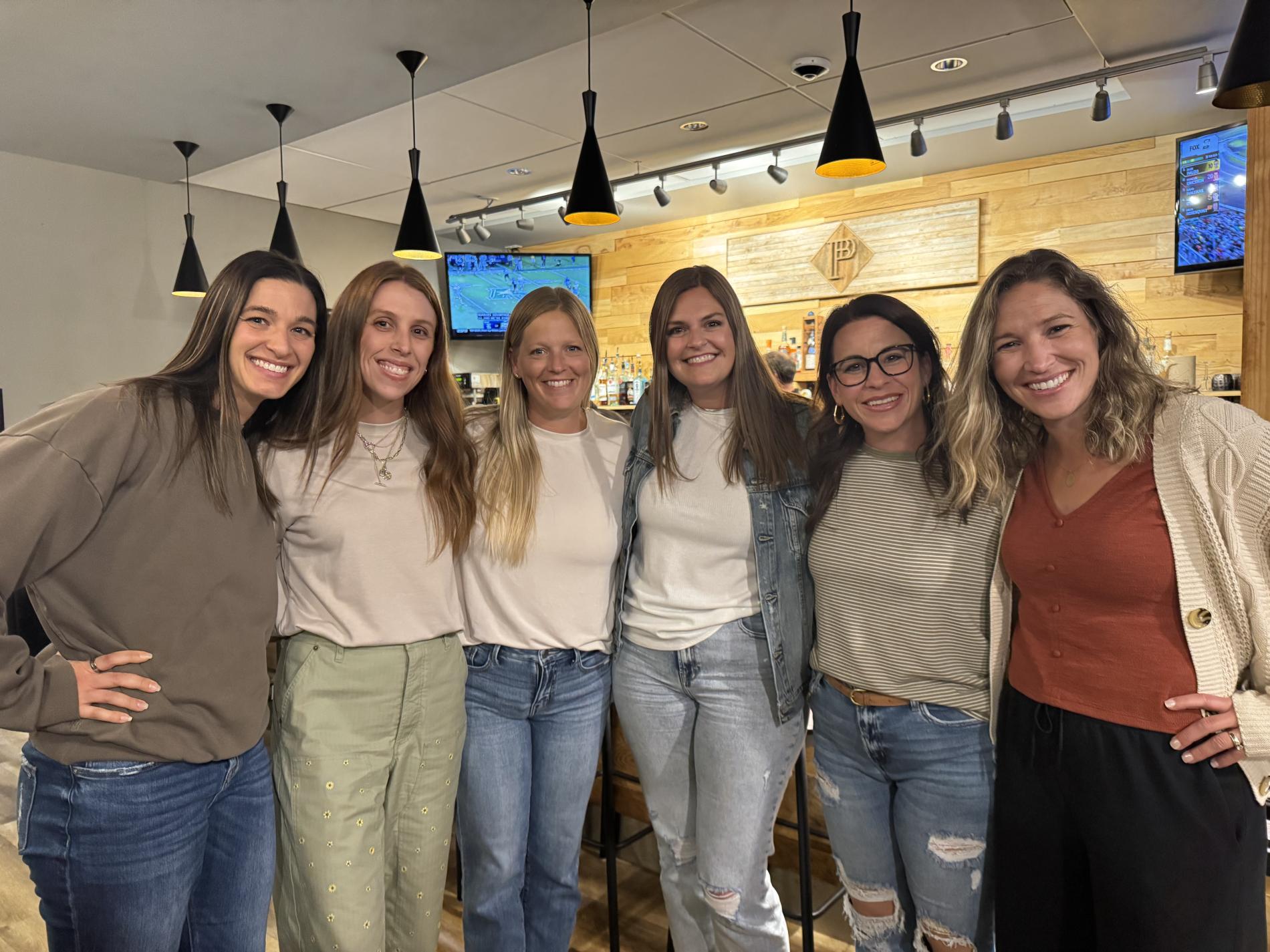
As I sit here watching my daughter's football practice, I can't help but notice how far girls' football fashion has evolved since my playing days. The transformation from baggy, ill-fitting uniforms to today's stylish yet functional outfits represents more than just aesthetic progress - it reflects the growing recognition of female athletes' specific needs. When I played competitively in the early 2000s, we often had to make do with scaled-down versions of boys' uniforms, which never quite accommodated our different body shapes or movement patterns. Today's market offers specialized football outfits for girls that genuinely combine style and performance in ways we could only dream of back then.
The importance of finding the best football outfit for girls extends beyond mere appearance. Having witnessed countless matches and training sessions, I've observed how the right gear can significantly impact a young athlete's confidence and performance. I remember one particular tournament where my team struggled with overheating because our dark-colored, polyester-blend jerseys trapped heat mercilessly. The experience taught me that material selection matters just as much as fit and design. Modern outfits typically use moisture-wicking fabrics with at least 85-90% polyester and 10-15% spandex, providing both comfort and flexibility that adapt to the player's movements.
Interestingly, the development of specialized athletic wear for female footballers parallels the growth of women's football globally. Just look at the recent qualifying events like the NGAP-Riviera Am tournament starting this Tuesday at the Couples course in Silang. While this particular event focuses on amateur representatives with four slots available for qualifiers to join seeded players like Shin Suzuki and reigning PH Am champ Zeus Sara, it demonstrates how structured competitive pathways are becoming more accessible. This professionalization trickles down to even youth levels, where proper equipment becomes increasingly important.
From my experience coaching youth teams, I've found that girls particularly appreciate outfits that offer both functionality and personal expression. The best football outfit for girls typically includes strategically placed mesh panels for ventilation - usually covering about 30-40% of the jersey surface area. The shorts have evolved too, with many now featuring built-in compression shorts underneath that prevent chafing during those intense 90-minute matches. I always recommend parents look for outfits with reinforced stitching in high-stress areas like the shoulders and sides, as these typically last 2-3 seasons compared to standard versions.
Color psychology plays a fascinating role in performance wear. While traditionalists might prefer classic color schemes, I've noticed that teams wearing brighter, more distinctive colors often display more energetic performances. This isn't just my observation - studies suggest that colors like electric blue and vibrant orange can boost alertness by up to 15%. The mental aspect of feeling confident in one's appearance shouldn't be underestimated either. When my daughter wears her favorite purple and black striped kit, her gameplay noticeably improves, and she takes more strategic risks on the field.
The commercial market has responded impressively to these specialized needs. Major sports brands now dedicate significant resources to researching female-specific designs, with some companies reporting annual investments of $2-3 million specifically for girls' football apparel development. This specialization has led to innovations like magnetic pocket closures for keeper gloves and jersey designs that accommodate different bra types - details we never had growing up. The price points have become more accessible too, with quality outfits now available in the $45-75 range compared to the $80+ we paid a decade ago.
Looking at the broader sports landscape, events like the NGAP-Riviera Am qualifier highlight how competitive structures are becoming more inclusive. When four new qualifiers earn their spots to compete alongside established players like Suzuki and Sara, it creates role models that inspire younger generations. This trickle-down effect means more girls entering the sport, which subsequently drives demand for better equipment. I've seen this cycle firsthand - after major tournaments, enrollment in our local girls' football program typically increases by 20-25%.
Durability remains a crucial consideration, especially for growing athletes. Through trial and error across multiple seasons, I've found that outfits with double-stitched seams and color-fast printing typically maintain their quality through 50+ washes. This contrasts sharply with cheaper alternatives that start fading and fraying after just 15-20 cycles. The economic argument for investing in slightly more expensive, higher-quality outfits becomes clear when you calculate cost per wear - quality pieces often come out to about $0.30 per use versus $0.80 for budget options.
The cultural shift toward taking women's sports seriously has undoubtedly accelerated these developments. Where girls' football outfits were once an afterthought, they're now subject to the same rigorous design processes as professional men's gear. The attention to detail extends to elements like sleeve length options (I prefer the 3/4 length for cooler climates) and strategic padding placement. Having tested numerous brands over the years, I've developed particular preferences - the European brands tend to offer better moisture management, while American companies often lead in innovative fabric technology.
As we look toward the future of girls' football apparel, the integration of smart technology appears inevitable. I've started seeing prototypes with embedded sensors that track performance metrics, though these remain prohibitively expensive for most families at $200+. Within the next 5-7 years, I anticipate this technology will become mainstream, potentially revolutionizing how we understand athletic development. For now, the focus remains on perfecting the balance between style, comfort, and performance - a challenge that manufacturers are increasingly meeting with impressive results.
Reflecting on my journey from player to parent to coach, the evolution of the best football outfit for girls represents more than just material progress. It symbolizes the growing recognition of female athletes as distinct entities with specific needs and preferences. The careful consideration now given to everything from fabric composition to color psychology demonstrates how far we've come. While we still have progress to make - particularly in making high-quality gear more accessible across economic backgrounds - the current landscape offers more choices and better quality than ever before. For any young footballer, finding that perfect outfit that makes them feel confident and supported can be just as important as mastering their footwork.